Mr. Ryan Stone, President of Summa Property Management, brings years of experience to the firm, beginning his career in 1984. He holds a comprehensive suite of industry credentials, including CPM, ARM, ACoM, and OLCM
Prioritizing Aligned Boards, Diffusing Financial Conflicts, and Building Long-Term Relationships
The impact of industry regulations on property management has evolved over recent years. While regulatory and reporting requirements have improved professional standards, they’ve also added costs and administrative burdens to management companies and the buildings they oversee. Professional development is of key importance for condominium managers, but it also comes at a cost.
For management companies, staying competitively priced is a delicate balance. When reviewing annual contracts, Boards can often underestimate the true costs of supporting building systems and infrastructure. Older properties often face unforeseen and unplanned expenses. Preventative maintenance is preferable to reactive repairs but requires adequate funding.
Effective budgeting means analyzing the previous years’ expenses while removing one-time costs and adding inflation factors plus any maintenance items the board wants to pursue. When corporations run deficits, they can either build the deficit recovery into the next budget via an increase in fees or implement a special assessment. The benefit of a Special Assessment is that the fees are not affected year over year. The downside for some boards and owners is that the cost of a Special Assessment can be difficult to be paid so some boards prefer it being built into the next budget.
Special assessments are often necessary when prior boards have been reluctant to increase fees sufficiently.
Board Responsibilities and Conflict
It’s important that Boards make decisions for the entire community, which can be challenging when individuals have opposing priorities. Common and costly maintenance items that boards often underestimate include repairs to the mechanical systems and HVAC equipment. Other expensive items like concrete sealing, brickwork, and repointing can also be a shock to an inexperienced board. Arguably, most conflicts between boards of directors and owners revolve around maintenance, repairs, capital improvements, and how money is spent.
An authoritative and experienced voice in the industry, Ryan Stone, President and CEO of Summa Property Management, has seen these conflicts firsthand.
“Having boards with aligned priorities who understand their fiduciary responsibilities leads to better outcomes,” says Stone. “When dealing with difficult conversations around finances, it’s important to stay calm and diffuse any uncomfortable situations.”
“It’s a walk, rather than a run,” he says.
Ryan Stone’s own career in property management began in 1984. After taking a work-study course in property management at George Brown College, Stone worked in residential property management for a couple of years before managing several shopping centres. He spent fifteen years as a director for a property investor before launching Summa Property Management in 2005.
He says some policies stay consistent.
“Having an odd number of board members (3 or 5) is important for effective voting,” affirms Stone, “and it’s important to review multiple quotes and take direction from the board with our input to help demonstrate the true value of necessary work.”
Modernization and Efficiency
To counterbalance the cost of administrative fees, management companies – including Summa Property Management – have looked to technology to streamline processes. While tech investments can be expensive, they save time and improve efficiency.
As an example, advancements in accounting software now eliminate the need for physical cheques through electronic signatures and online invoice approvals.
“This streamlines the payment process by reducing paper and time spent on printing cheques, collecting signatures, and mailing,” explains Stone.
Additionally, pre-authorized payment (PAP) systems have significantly reduced administrative time compared to processing physical cheques, and the financial statements can be customized to meet the individual boards’ needs.
“Electronic payments benefit both the management company and the ‘younger people’ today who don’t use cheques,” he acknowledges.
Outstanding Service and Client Retention
Summa Property Management takes its name from “Summa-Cum-Laude,” reflecting a commitment to superior service. Specializing in smaller boutique properties, the company prioritizes long-term relationships with both clients and staff.
“Long-term relationships provide continuity and better service,” he says, noting that sometimes his management reports will often contain humorous elements to counteract the “dryness” of the report’s proceedings and to see if being read by board members.
Stone’s approach to property management sees him supporting regular communication with boards about all property concerns, not just those needing approval. Open communication is key to a successful relationship.
“We keep a stable team with long-term employees currenting from tenures of up to 14 years with the company. This ensures they understand the requirements of each property.” There is not much worse then employee turnover as this can disrupt the operations but can occur without your control at times.
The company’s hands-on, communication-focused approach has contributed to client retention and satisfaction. In fact, some of Summa’s clients have been with the company since 2005 when the company first began, something which Stone is immeasurably proud of. We may not charge the least or the most but we try and keep owners and boards happy to keep us the long term.
“We focus on results rather than hours worked,” he summarizes.
Summa Property Management offers management services to residential rental, commercial, and condominium corporation management to properties throughout the GTA. To learn more, visit www.summapm.com.
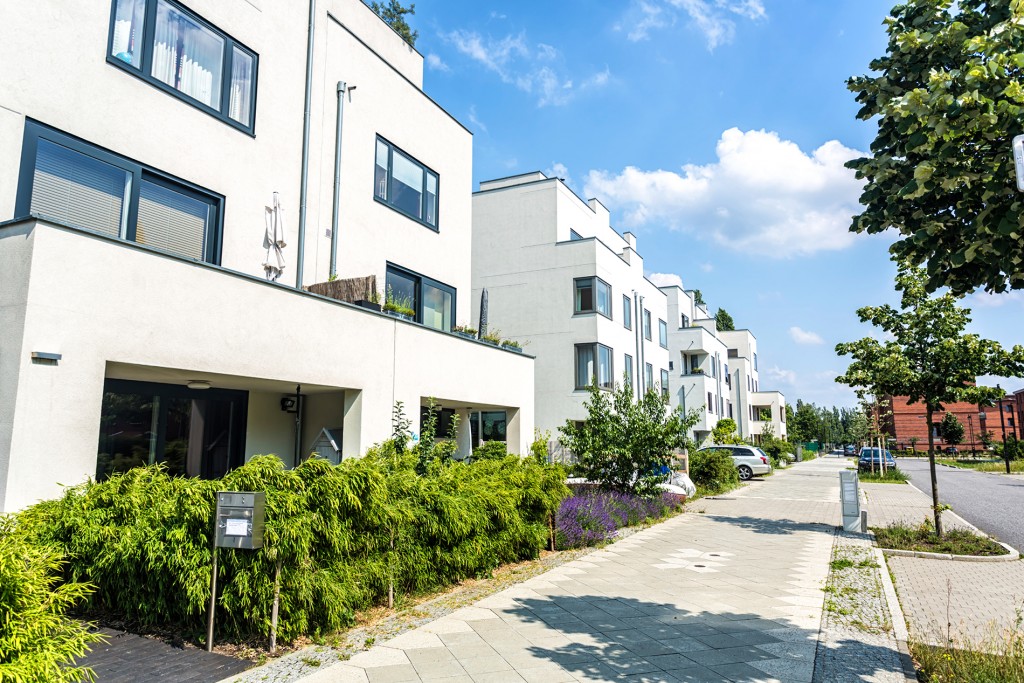

In addition to the above residential services Summa Property Management will manage your condominium corporation and provide a high level of service and attention specific to your condominium corporation needs.
Contact Us For All Your Property Management and Consulting Needs
Contact


